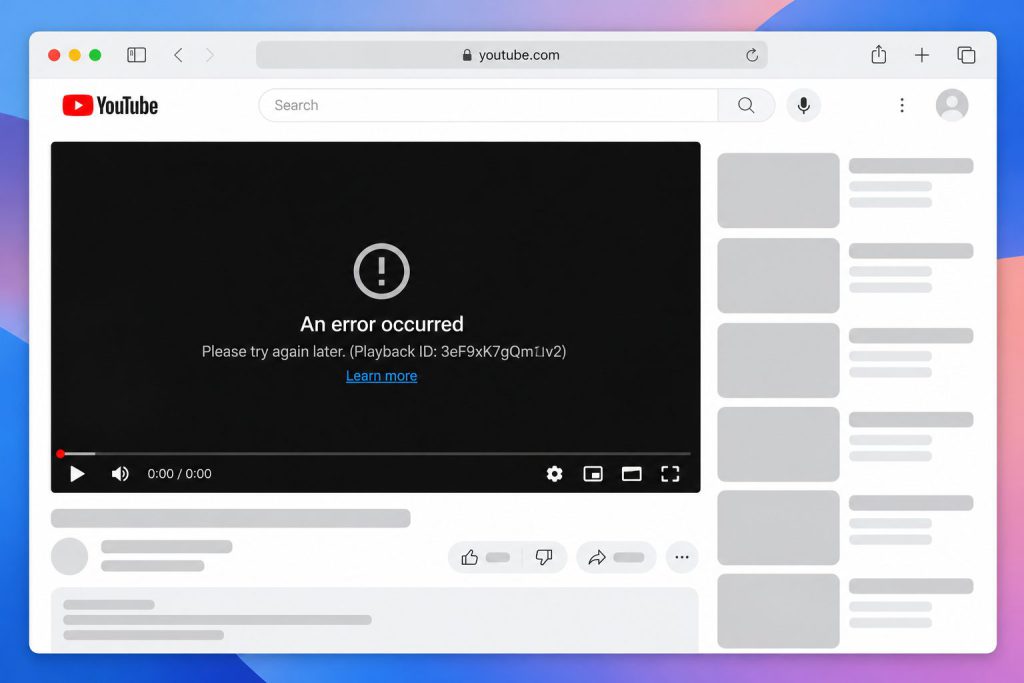
YouTube not loading on Safari? You might see a blank video player, endless buffering, or an “An error occurred” message—even though other websites work. On a Mac, iPhone, or iPad, the cause may be a Safari extension, saved website data, a browser setting, or a network filter.
Find the Right Safari Fix for Your Problem
| What happens in Safari | Start here |
|---|---|
| YouTube opens, but the video is black, blocked, or shows a playback error | Fix 1: Extensions and content blockers |
| YouTube used to work, but now videos stall or reload incorrectly | Fix 2: Website data and cookies |
| YouTube loads only partly, or its buttons do not respond | Fix 3: JavaScript and restrictions |
| YouTube fails only when a VPN, Private Relay, or filter is active | Fix 4: Network and privacy filters |
| Safari still fails, or the problem began after a software change | Fix 5: Restart and update |
The table is a starting point, not a diagnosis. Play the same video after each change so you can tell which step made a difference.
Fix 1: Disable Safari Extensions and Content Blockers
Some Safari extensions filter advertising, scripts, or page content. This can occasionally affect the YouTube player. YouTube specifically recommends checking extensions, including ad blockers, when playback fails. Start here if the page opens but the video stays black or shows a playback error.
On Mac
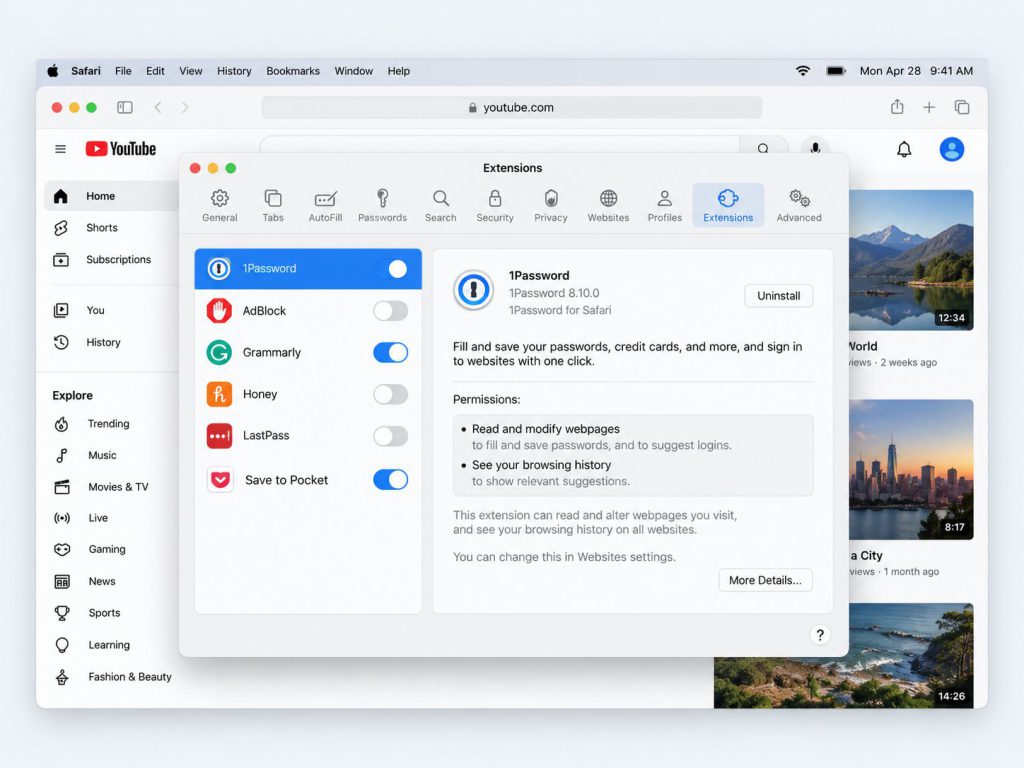
- Open Safari > Settings > Extensions.
- Review your installed extensions, especially ad blockers, script blockers, and content filters.
- Temporarily deselect the checkbox for one suspected extension. Reload YouTube and test the same video.
- If nothing changes, try another relevant extension. You can also check Safari > Settings > Websites > Content Blockers and turn blocking off for YouTube as a targeted test.
- Once playback works, re-enable the extensions one by one to identify the cause.
What the result means: If disabling one extension fixes playback, update it or adjust its website permissions. Re-enable unrelated extensions after testing. You do not need to remove every extension.
On iPhone or iPad
- Open Settings > Apps > Safari > Extensions.
- Open a content blocker or other extension that may affect YouTube, then temporarily disable it using the available switch.
- Go back to Safari, reload YouTube, and test playback.
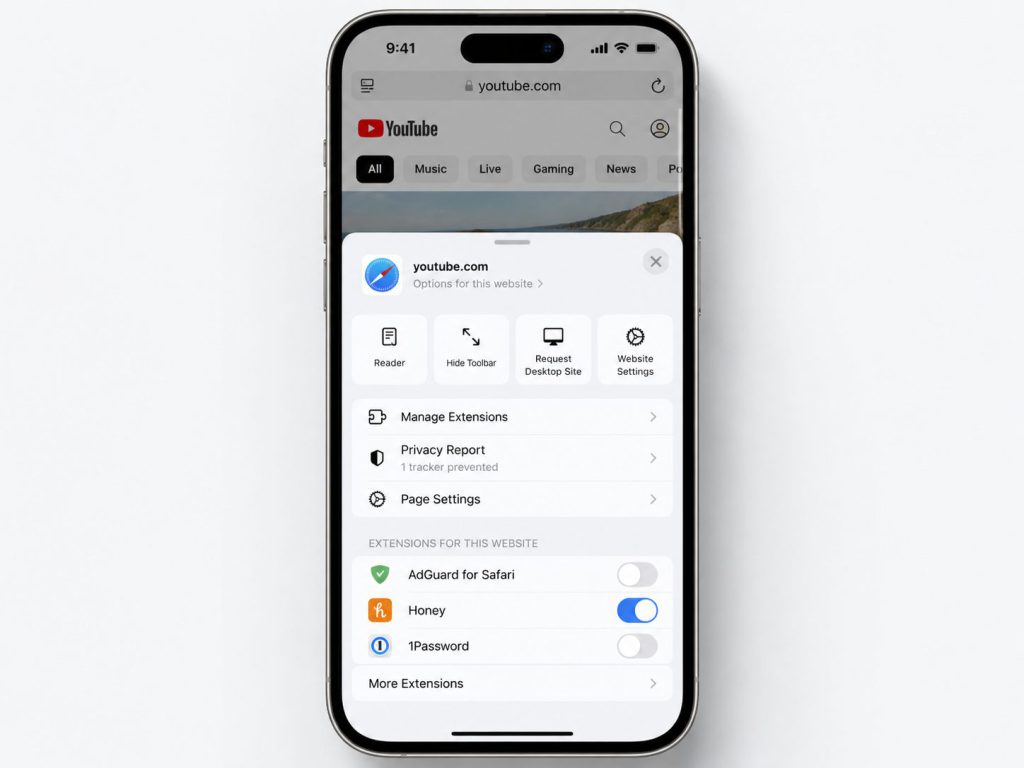
- For a website-specific check, open YouTube in Safari, tap the Page Menu, then Manage Extensions, if this option is available. Turn off a suspected extension for that site and retry.
Fix 2: Clear YouTube Website Data in Safari
Safari stores website data that can help YouTube remember your sign-in and preferences. If the saved data is damaged or outdated, videos may stop loading correctly. Clearing only the affected site’s data is preferable to clearing everything.
Before you clear anything: Website data may include sign-in information and preferences. On Mac, remove the affected site first. On iPhone or iPad, the “Remove All” option affects other websites too, so use it only if simpler checks fail.
On Mac: Remove YouTube-Related Data
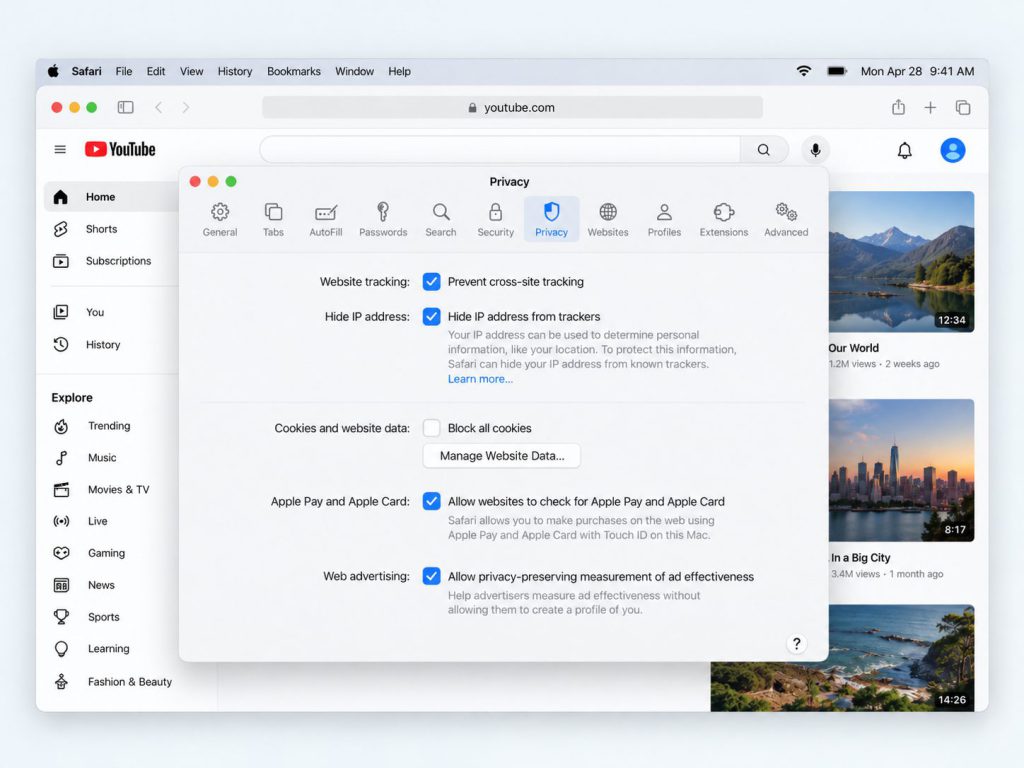
- Open Safari > Settings > Privacy.
- Click Manage Website Data.
- Look for youtube.com in the list. Select the affected website if it appears; avoid removing unrelated Google entries unless you understand the consequences.
- Click Remove, then Done.
- Reload YouTube and sign in again if needed.
You may have to sign in again. If the video still will not play, do not repeatedly remove data—continue to Fix 3.
On iPhone or iPad: Check Before Clearing All Data
- Open Settings > Apps > Safari > Advanced > Website Data.
- If earlier checks did not help and you are comfortable removing stored Safari data, choose Remove All Website Data. Confirm with Remove Now when prompted.
- Reopen YouTube in Safari and test the video.
Important: This can sign you out of many websites and erase offline site data, but it does not delete your YouTube account. If you rely on saved sessions, you can skip this disruptive step and try Fixes 3–5 first.
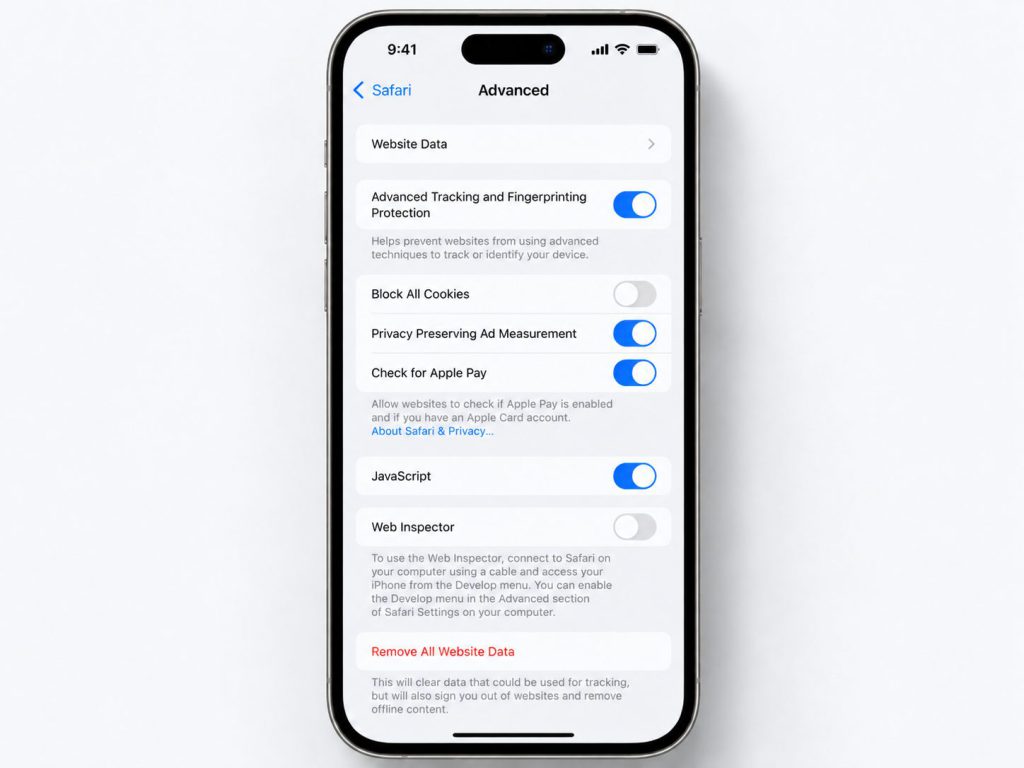
Fix 3: Check JavaScript and Website Restrictions
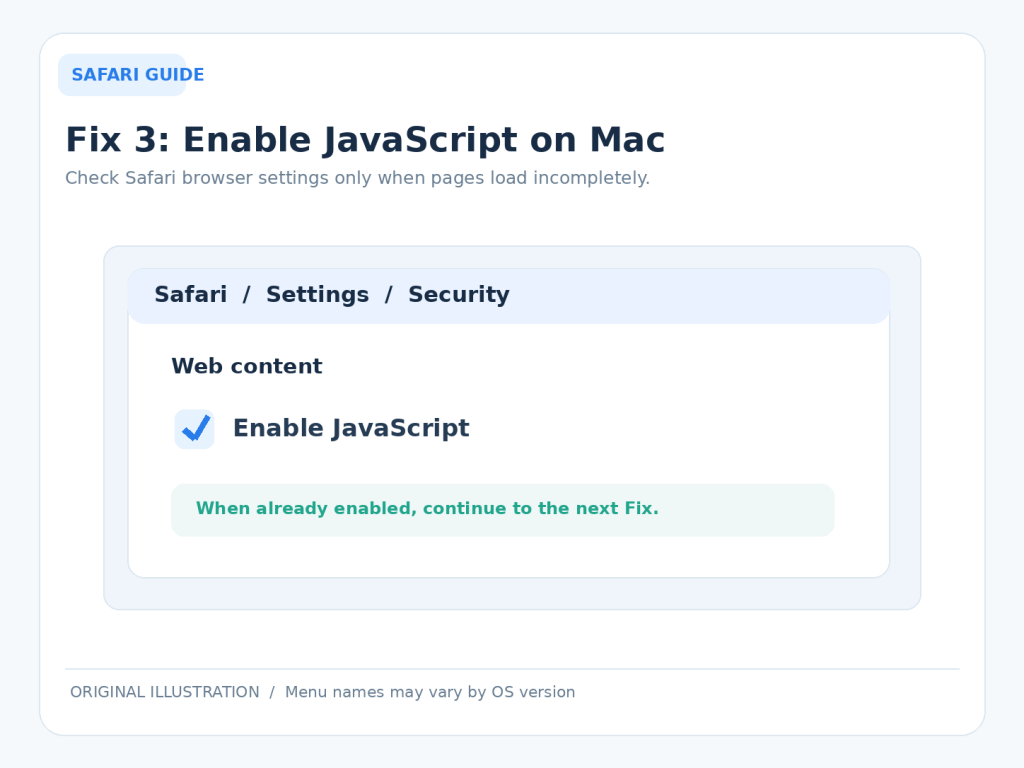
If YouTube shows missing controls or an unresponsive player, verify JavaScript. It is usually enabled by default, so this is a quick check—not a setting you should toggle repeatedly.
On Mac
- Open Safari > Settings > Security.
- Confirm Enable JavaScript is selected.
- Reload YouTube and try playing a video.
On iPhone or iPad
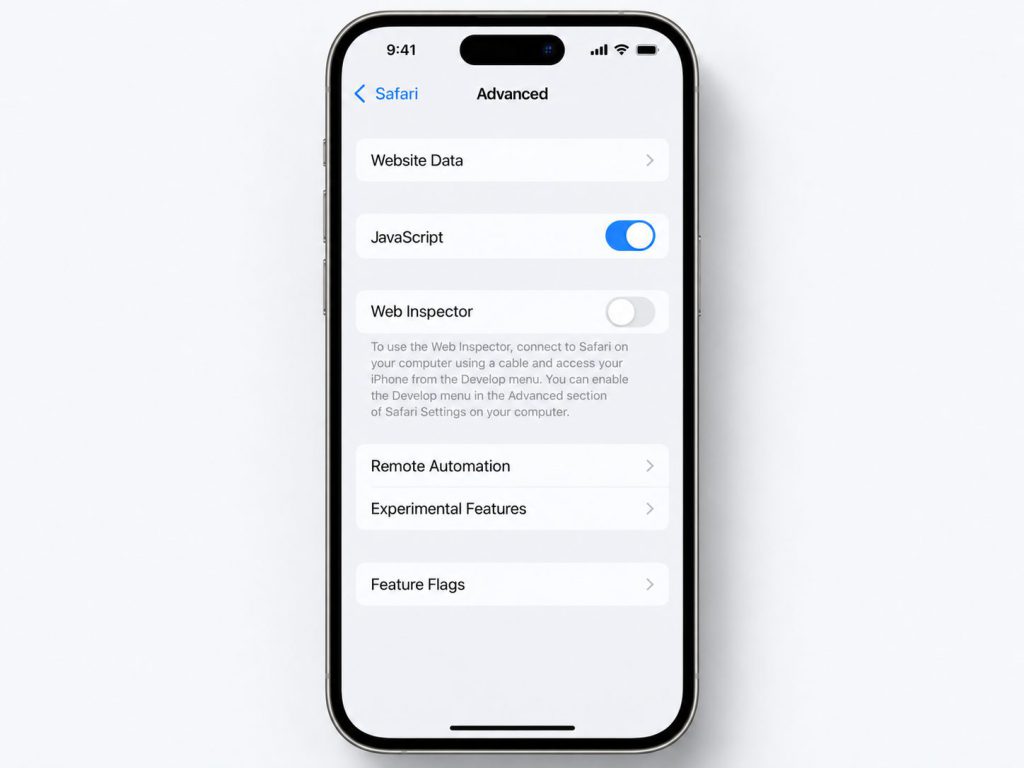
- Open Settings > Apps > Safari > Advanced.
- Make sure JavaScript is turned on.
- Return to Safari and reload YouTube.
Check Restrictions Only When They Apply
A device that says a website is blocked may have Screen Time content restrictions or a school/work network policy. On iPhone or iPad, check Settings > Screen Time > Content & Privacy Restrictions, if you manage the device. For an organization-managed device, ask the administrator.
Do not enable every website permission. Auto-Play controls whether a video begins by itself; it does not normally fix a player that will not play after a click. YouTube also does not require pop-ups to be allowed for ordinary playback.
Fix 4: Check VPN, iCloud Private Relay, and Network Filters
If YouTube fails in Safari only while a VPN or filtering service is active, test that service before changing more browser settings. VPNs and iCloud Private Relay can sometimes affect access to sites that use IP-based rules.
Test a VPN or Security Filter
- If you’re using a VPN or a third-party network filter, note your current configuration.
- Temporarily disconnect or pause that service, then reload YouTube in Safari.
- If the video now plays, try a different server or review the filter’s settings. Restore the protection if it wasn’t causing the problem.
Security note: This is a temporary test, not a recommendation to browse permanently without a VPN or filtering protection.
Test iCloud Private Relay for the Current Website
If you’re subscribed to iCloud+ and using Private Relay, Safari may offer a site-specific test:
- On Mac: With YouTube open, choose View > Reload and Show IP Address, if available.
- On iPhone or iPad: Open Safari’s Page Menu and select Show IP Address, if available.
This temporarily allows the website and network provider to see information that Private Relay normally helps hide. The option appears only when applicable; it is not necessary to disable Private Relay across your device. Leave the site or close its tab to end the Mac website-specific exception.
What the result means: If playback works only after changing a VPN server or filter, review that service’s settings. If the test makes no difference, restore your privacy settings and continue.
Fix 5: Restart Safari and Update Your Device
If the earlier fixes do not help, restart Safari and check for an available software update. This is most relevant when multiple websites are affected or the problem began after a system change.
On Mac
- Quit Safari completely, then open it again and retry YouTube.
- If necessary, choose Apple menu > Restart.
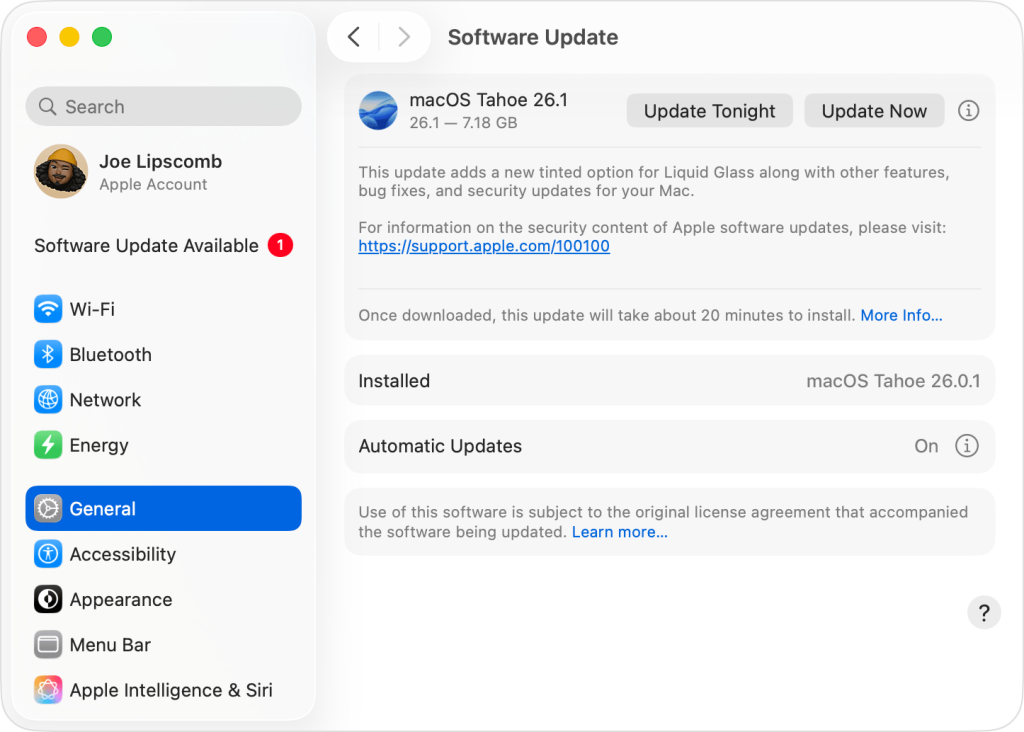
- Open Apple menu > System Settings > General > Software Update.
- Install an available update that is compatible with your Mac, then test YouTube again.
On Mac, Safari updates are supplied through Apple software updates. Do not download an unverified “Safari repair” program.
On iPhone or iPad
- Close and reopen Safari.
- Restart the device if YouTube still fails.
- Go to Settings > General > Software Update and check for a compatible update.
- Test the same YouTube video after the restart or update.
Updating can resolve compatibility bugs, but it will not necessarily fix a YouTube outage or a problematic browser extension.
FAQ
Why does YouTube show a black screen on Safari?
A black player can be caused by an extension or content blocker, a playback error, or problematic website data. Start with Fix 1, then try Fix 2 if the problem continues. If only one video shows a black screen, test other videos before changing any browser settings.
Why does YouTube work in Chrome but not Safari?
Browsers don’t share every extension, cookie, or site setting. If the same video works in another browser on the same device and network, Safari-specific extensions or website data become more plausible causes. It still doesn’t prove which setting is responsible.
Does clearing Safari website data delete my YouTube account?
No. Removing website data does not delete your Google or YouTube account. However, it may sign you out and reset preferences for some websites. On iPhone or iPad, Remove All Website Data affects more than YouTube.
Should I turn off Safari’s privacy settings to fix YouTube?
Not as a permanent first step. Use a limited, reversible test only if a particular extension, VPN, or Private Relay setting seems relevant. Restore protections that do not affect playback.
What if Safari says “An error occurred” or “Playback error”?
Reload the video once and try a different one. If the error persists only in Safari, test extensions and website data. If it persists in multiple browsers or networks, the cause may not be Safari. The official YouTube troubleshooting guide also covers common video error messages.
Conclusion
When YouTube will not load on Safari, start with the Safari-specific causes: extensions, content blockers, website data, and JavaScript. Check VPN or Private Relay only when relevant, and restart or update the device if the issue persists. Change one setting at a time and test the same video again.
For more help, see Apple’s Safari troubleshooting guide for Mac, Apple’s iPhone Safari data guide, and YouTube’s video error guide.